
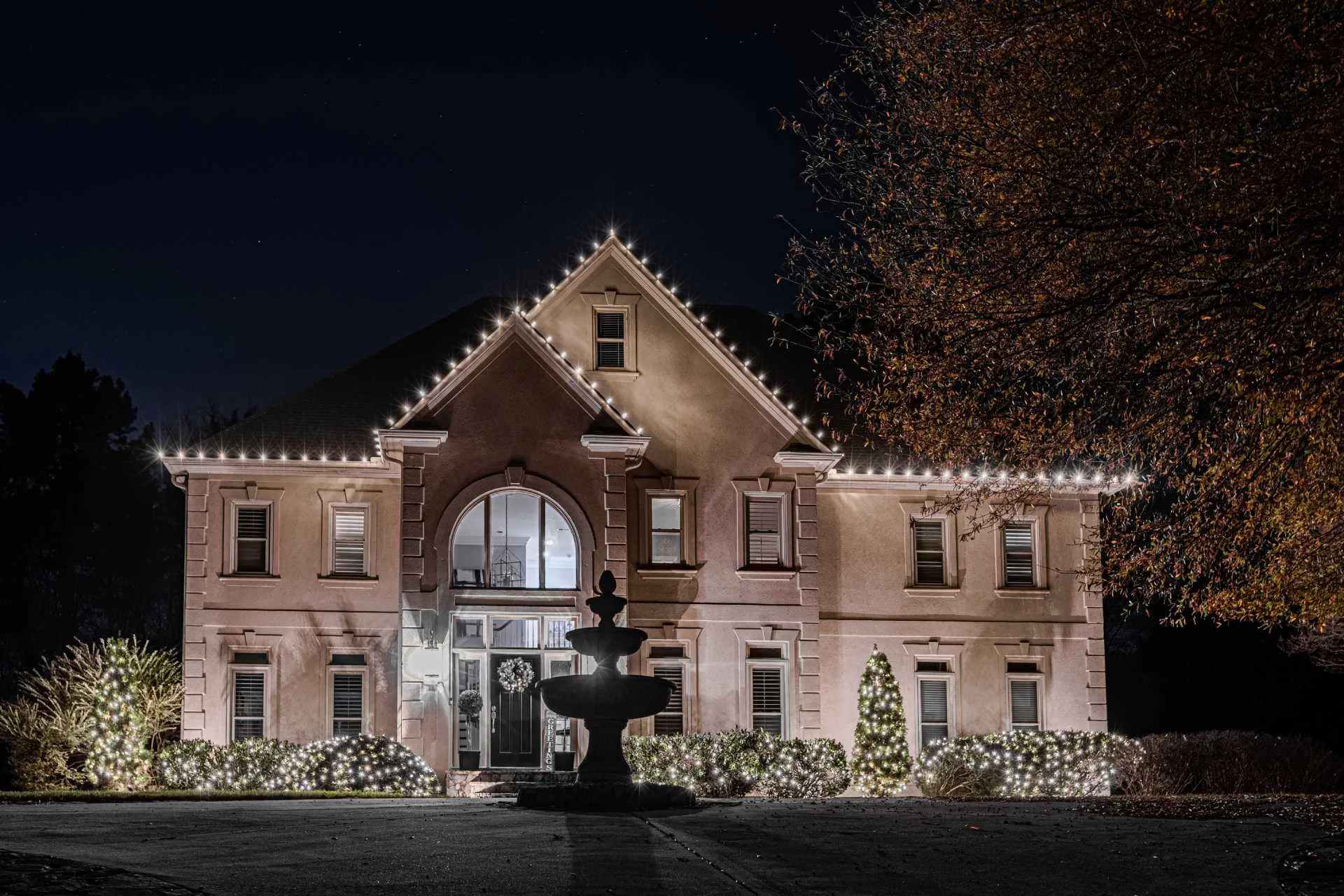
Holiday lighting installation scheduling works best when the desired “lights-on” date is separated from the installation appointment. Commercial properties may need approval and after-hours access; homeowners may need to coordinate travel, landscaping, and family events. Seasonal demand and weather can affect both kinds of projects, so the planning calendar should include room for review and adjustments.
Work backward from when the display must be ready
For a family celebration or commercial launch, identify the date the display needs to be operating. Then allow time for photographs, measurements, concept approval, materials, and any site-access questions before the installation window.
Do not treat the preferred date as confirmed until the contractor has accepted the project and provided a schedule. Availability depends on the verified service area, project complexity, and existing seasonal commitments.
- Desired display-ready date
- Latest acceptable installation window
- Any fixed holiday events or launch dates
Include property-specific dependencies
An HOA board vote, landlord signoff, gated access, or coordination with other site contractors can be more restrictive than the lighting work itself. Surface these dependencies early and assign responsibility for resolving them.
Storefronts also need to preserve customer access; homes may need to accommodate roof work and parked vehicles. An appointment without a workable access plan can delay the project even when materials are ready.
- Required approvals and approvers
- Work-hour limitations and shared-space use
- Who will provide access on installation day
Plan for weather and in-season service
Outdoor work is influenced by wet conditions, wind, and other site-specific safety factors. A practical schedule should allow the provider to reassess work when conditions are unsuitable rather than assume that every appointment can proceed regardless of weather.
Once the lights are installed, document the support process. If a feature stops working during the season, the property contact should know how to report it and what service has actually been purchased.
- Weather-dependent rescheduling expectations
- Authorized contact for seasonal support
- Minimum notice for access changes
Choose removal and storage dates independently
The installation date does not automatically determine the removal date. Homeowners, commercial managers, and community associations can have different end-of-season obligations, and some sites need the display removed before another event.
If storage is requested, confirm the provider’s availability and terms in the contract. A general description of seasonal services is not proof that storage is included for every project.
- Target takedown period
- Restoration and property-access requirements
- Ownership, packing, and any storage agreement
Common Questions
Is a requested installation date guaranteed?
No. The business must verify the property, scope, availability, and any weather-related constraints before confirming the appointment.
Should commercial properties schedule differently?
Often yes. Approval lead times, permitted work hours, public access, and peak business dates can affect the critical path.
Next Step: Match the Plan to Your Property
The most useful next step is to share property photos, a target date, access constraints, and the lighting details you want considered. An estimate can then distinguish the proposed work from optional seasonal services, subject to coverage and scheduling confirmation.
Explore the holiday lighting resource center, the service-area information, or request a property-specific quote.